
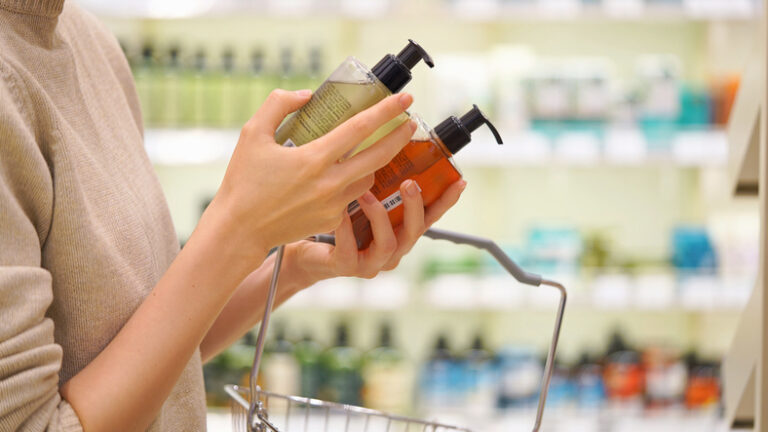
It’s been a while since we last talked about endocrine disruptors.
These sneaky chemicals can mimic, block, or scramble your body’s natural hormones—and unfortunately, they’re hiding in more places than you think.
From shampoo and lotion to toothpaste and deodorant, your daily products could be quietly throwing your hormones into complete chaos.
The consequences? An increased risk for infertility, thyroid issues, obesity, and even hormone-related cancers.
Let’s break down where these chemicals are hiding—and how to avoid them.
Many cosmetics contain substances like phthalates, parabens, triclosan, and bisphenols—all known or suspected endocrine disruptors.
Phthalates, for example, still show up in scented products, nail polish, and certain plastics.
Parabens (like methylparaben and propylparaben) are used in many lotions and creams—but they’re often banned in baby products. (That’s great… but what about the rest of us? Why not ban them completely?)
Triclosan is still found in antibacterial soaps and some toothpastes, despite being linked to thyroid dysfunction and neurodevelopmental harm.
Even salicylic acid—a popular skincare ingredient—is banned in Denmark due to endocrine concerns.
And then there’s bisphenol A (BPA). Yes, it’s banned from many products, but its replacements—like BPS—pose similar risks. (This rule makes no sense—but it highlights a serious problem: Unless all chemicals in a class are banned, manufacturers will just swap in a different harmful substitute.)
When will the nonsense end?
Here’s another thing: Many of these chemicals lurk in product packaging—even if regulations remove them from the product itself.
The good news is, you can reduce your exposure by reading recycling codes:
- Avoid plastics marked with codes 3 and 7.
- The codes that are generally considered “safe” are 2, 4, and 5.
As for the products themselves, smartphone apps can make it easier to avoid these harmful chemicals.
Tools like INCI Beauty (my go-to), Yuka, Quel Produit, and the Environmental Working Group’s Skin Deep Cosmetics Database can scan ingredient lists, flag questionable chemicals, and suggest cleaner alternatives.
Because until regulators catch up, it’s up to you to be vigilant. These ingredients might not cause symptoms overnight—but years of exposure can quietly chip away at your health.
My advice? Simplify your routine. Read labels. And use a good scanning app.
When in doubt, follow the same mantra I use with food: The fewer the ingredients, the better (usually).
Source:
“Endocrine Disruptors Lurking in Beauty Aisles, Expert Warns.” Medscape, 07/08/2025. (medscape.com/viewarticle/endocrine-disruptors-lurking-beauty-aisles-expert-warns-2025a1000i28)
Sign up for Dr. Pescatore's Free E-Letter and receive this bonus report:
Reverse Alzheimer's!
The 30-cent, all-natural 'cocktail' that slams the brakes on Alzheimer's disease