
Cancer is so common today that nearly everyone reading this has been touched by it in some way.
And yet, I still get questions that stop me in my tracks.
Things like:
“If I already have lung cancer, why should I stop smoking?”
Or worse… when patients were told:
“Eat whatever you want—it doesn’t matter.”
It does matter. A lot.
And now we have the data to prove it.
A large study of more than 6,000 cancer survivors—published in the European Journal of Epidemiology—looked at what actually impacts long-term survival.
The findings were simple. Powerful. And honestly, not surprising to me.
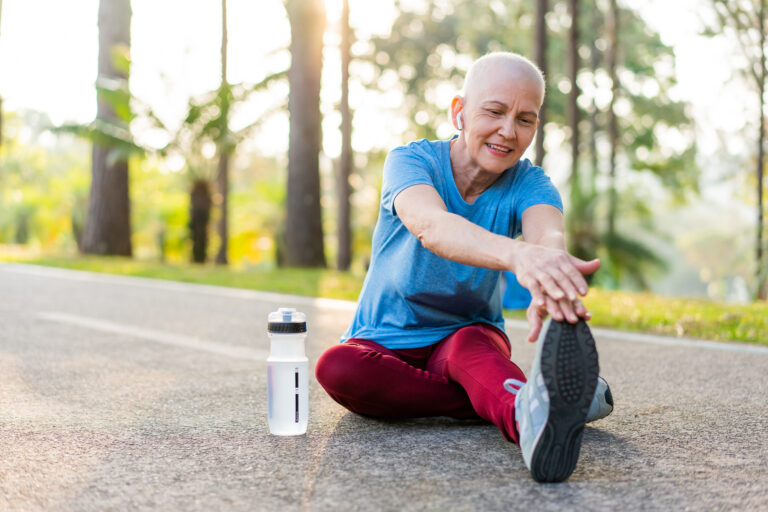
People who didn’t smoke, exercised regularly, and maintained a healthy weight lived significantly longer.
Mic drop.
These aren’t cutting-edge drugs or experimental therapies. These are the basic fundamentals.
And yet, they may be the most overlooked tools in modern medicine.
Researchers analyzed 6,057 individuals (average age 69) who survived cancers such as breast, prostate, and colorectal cancer for at least 5 years.
They scored participants based on lifestyle habits: smoking status, physical activity, and body weight.
The results were clear:
Those with a healthy lifestyle had a 32% lower mortality rate. Even an intermediate lifestyle lowered mortality risk by 27%.
Let’s break that down…
Smoking had the biggest impact:
- Never smokers had 49% fewer deaths than current smokers.
- Those who quit still reduced their risk by 29%
Exercise mattered:
- The most active individuals had a 22% lower mortality rate
Weight played a role:
- Maintaining a healthy BMI reduced mortality by 13%
And interestingly, despite all the headlines… alcohol consumption showed no significant impact on life expectancy in this study.
The medical world is constantly searching for the next breakthrough. But this study reinforces something far more fundamental:
Your daily habits matter more than anything else.
And it doesn’t stop with the three factors studied.
Other critical pieces of the puzzle include diet, sleep quality, and reducing sedentary behavior.
So, if you want to improve your longevity—whether you’ve faced cancer or not—start here:
Live like your life depends on it. Because it does.
Everything else? That’s just icing on the cake.
Sign up for Dr. Pescatore's Free E-Letter and receive this bonus report:
Reverse Alzheimer's!
The 30-cent, all-natural 'cocktail' that slams the brakes on Alzheimer's disease