
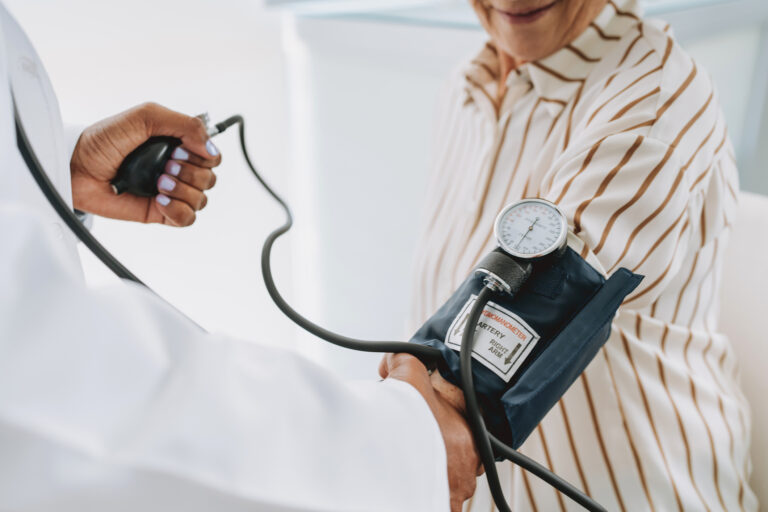
High blood pressure (BP) is a silent threat to cardiovascular health, affecting over 1.3 billion people worldwide.
But here’s the truth…
Your BP reading is more than a couple of numbers. And there’s more to a “healthy” reading than simply meeting increasingly strict targets.
Of course, hypertension is often overtreated—usually with multiple pharmaceutical drugs.
But what if I told you a natural extract is emerging as a promising alternative for supporting healthy BP?
Here’s everything you need to know…
First, let me be clear: Consistently high BP should never be ignored. And, yes, many older adults do need to get their numbers under control.
But that doesn’t mean medication is your only option.
In fact, a recent study published in Phytotherapy Research suggests olive leaf extract may be a viable natural solution.
Researchers looked at 248 participants and found that 1 gram of olive leaf extract daily led to a:
- 11.45 mmHg drop in systolic BP (the top number)
- 4.65 mmHg drop in diastolic BP (the bottom number)
That’s a significant result—especially when you consider that a 10 mmHg drop in systolic BP is linked to a 20 percent reduction in major cardiovascular events.
And given that roughly 15 percent of patients are resistant to conventional BP meds, natural options like this are worth serious consideration.
Researchers believe olive leaf’s benefits may stem from its powerful plant compounds: oleuropein, oleacein, tyrosol, and hydroxytyrosol.
These compounds exhibit anti-inflammatory, antioxidant, and anti-atherogenic properties—all of which support cardiovascular health.
So, if you—or someone you love—is struggling with consistently high BP readings, consider bringing olive leaf extract into the conversation with your healthcare provider.
They can help determine if it’s a good option and what dosage may be appropriate for your individual needs.
Additionally, and as always, maintaining a healthy lifestyle remains crucial in supporting healthy BP levels. Those include:
- Eating a healthy, balanced diet full of fresh, whole foods—like grass-fed and -finished meat, wild-caught fish and seafood, organic produce, and healthy fats from eggs, nuts, seeds, and more
- Engaging in regular physical activity—even just 20-30 minutes of movement daily
- Reducing stress—practice some relaxation techniques, like deep breathing, meditation, yoga, Tai Chi, or journaling
- Getting adequate sleep—make it a goal to get seven to nine hours of quality shuteye each night
Sign up for Dr. Pescatore's Free E-Letter and receive this bonus report:
Reverse Alzheimer's!
The 30-cent, all-natural 'cocktail' that slams the brakes on Alzheimer's disease