
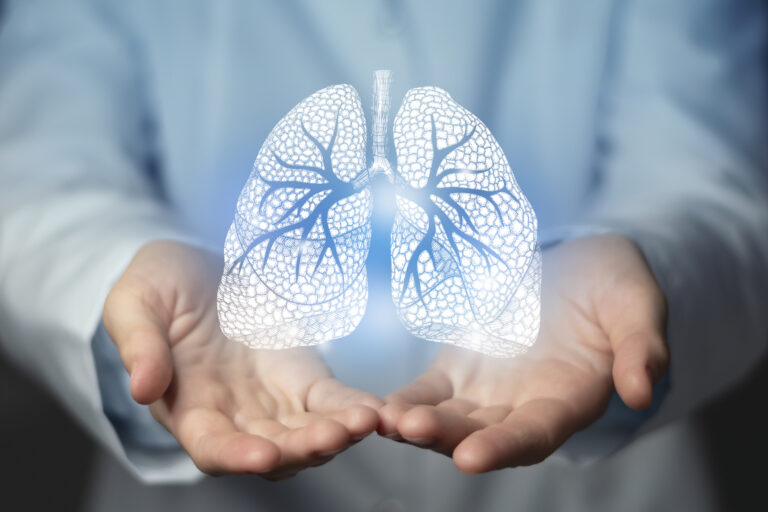
You already know diet plays a powerful role in preventing and treating conditions like diabetes and heart disease.
But when’s the last time you thought about your lungs?
If you’ve followed me for a while, you might remember my book, The Allergy and Asthma Cure. Long before mainstream medicine caught on, I was already helping people breathe better—by focusing on diet and nutrition rather than drugs.
At long last, the medical community is finally catching up… to a conclusion I reached over 30 years ago!
When it comes to respiratory issues like asthma, COPD, emphysema, or even lung cancer, conventional thinking focuses on environmental triggers: smoke, allergens, and pollution.
And yes, what you breathe in is crucial.
But here’s the kicker: What you eat and drink is just as important.
Good nutrition supports a healthy weight, which plays a major role in lung function.
In fact, obesity is a major risk factor for asthma and other lung conditions—and these conditions often make each other worse.
Excess fat puts pressure on the lungs, reducing their capacity and, in some cases, impacting oxygen levels. It also contributes to chronic inflammation, thanks to the release of inflammatory cytokines.
Of course, more than 100 million American adults are obese. So, in my view, ignoring diet and nutrition in overweight or obese patients is downright negligent.
If you suffer from a chronic lung condition, you already know how much effort it takes just to breathe. But has anyone ever told you that means your body has higher nutritional needs?
It makes perfect sense—you’re burning more energy to perform a basic, vital function. That extra demand means your body needs more nutrients—even if your appetite hasn’t caught up.
One study found that certain nutrients—vitamin C, vitamin E, magnesium, selenium, lycopene, lutein, and beta-carotene—appear to offer a protective effect against lung cancer, specifically.
In fact, these antioxidants help reduce lung inflammation and oxidative stress—two major players in long-term respiratory health.
Bottom line? Enjoy a healthy, balanced diet full of antioxidant-rich foods—like leafy greens, colorful vegetables, nuts, and wild-caught fish and seafood—and low in processed carbs and sugar. This approach isn’t just good for your waistline… it can help you breathe easier, too.
As I’ve said for decades—you can’t fight disease with one hand tied behind your back. And without nutrition as part of the plan, that’s exactly what you’re doing.
Source:
“Diet, Nutrition, and Effects on Lung Health and Disorders.” Medscape, 05/20/2025. (medscape.com/viewarticle/diet-nutrition-and-effects-lung-health-and-disorders-2025a1000co1)
Sign up for Dr. Pescatore's Free E-Letter and receive this bonus report:
Reverse Alzheimer's!
The 30-cent, all-natural 'cocktail' that slams the brakes on Alzheimer's disease