
For more than three decades, I’ve been practicing at the forefront of nutritional medicine.
And only recently have I started seeing mainstream medicine validate what I’ve been saying all along:
Food is not just fuel—it’s medicine.
Now, a new study is turning heads.
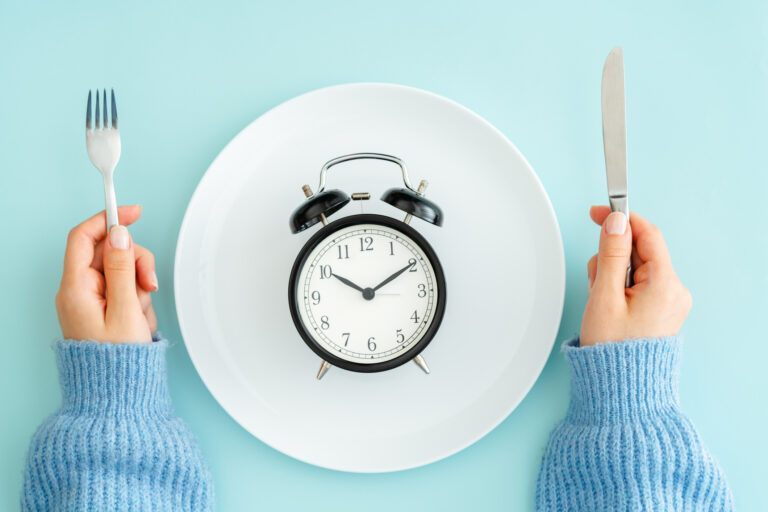
Researchers found that a short-term fast-mimicking diet (FMD) significantly improved symptoms and inflammation in patients with Crohn’s disease.
Let me break that down…
- Nearly 70% of patients on the fasting-mimicking diet saw clinical improvement
- Fewer than half improved on their normal diet
- About two-thirds reached remission
- Markers of inflammation dropped across the board
And yet… researchers were surprised.
I wasn’t.
Because this is exactly what happens when you give the body the right conditions to heal.
We’re talking about measurable improvements in key inflammatory markers like ESR, hs-CRP, and fecal calprotectin.
In other words, this isn’t about “feeling better”—this is real, clinical change.
And it all comes back to a principle medicine seems to forget:
Let food be thy medicine.
Here’s how this study worked.
Participants followed a fast-mimicking diet for just five days per month, eating roughly 700-1,100 calories per day, and then returned to their normal diet.
That’s it.
Five days—and they saw powerful results.
The real takeaway? You don’t need extreme, long-term deprivation to see benefits. You need the right strategy.
Fasting may sound intimidating, but once you train your body—and your mind—it becomes second nature.
Many of my patients use intermittent fasting with incredible success.
I do it myself.
The benefits? Better energy, improved sleep, and regular digestion.
And those three things alone form the foundation of good health.
Now, while Crohn’s disease affects millions worldwide, digestive issues in general affect far more people—especially here in the U.S.
And in my practice, dietary intervention is always the first step.
That might include:
- Going gluten-free
- Removing dairy
- Identifying food sensitivities
- Reducing yeast
- Incorporating intermittent fasting
Sometimes it’s one change. Sometimes it’s a combination.
But when you find your triggers—and remove them—the results can feel almost like magic.
Sign up for Dr. Pescatore's Free E-Letter and receive this bonus report:
Reverse Alzheimer's!
The 30-cent, all-natural 'cocktail' that slams the brakes on Alzheimer's disease