
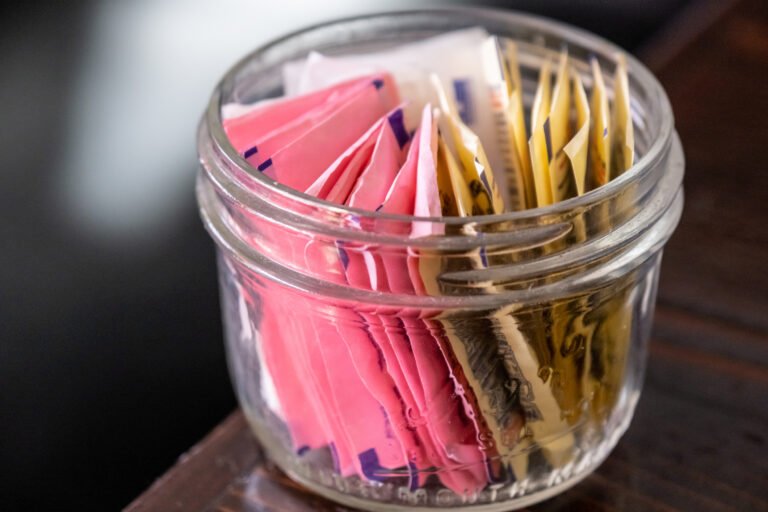
Can you believe that artificial sweeteners have been around for over 130 years?
But only recently have researchers begun to uncover how they truly affect your health—especially your brain.
Thanks to advanced imaging tools like functional MRIs, we’re now seeing a clearer picture of how these sugar substitutes affect critical areas in the brain, like reward and appetite centers.
And what we’re learning isn’t so sweet…
A recent study found that sucralose—a synthetic sweetener that’s 600 times sweeter than sugar—can interfere with brain signaling and appetite.
In fact, researchers found that even though these artificial sweeteners are calorie-free, simply tasting sweetness seems to stimulate your appetite.
You see, the brain contains neurons that detect glucose, fats, and sweetness. And in this study, individuals with obesity showed a stronger brain response to sweet tastes—regardless of whether the beverage contained actual sugar or sucralose.
This suggests the brain has come to associate sweetness with incoming energy. But when that energy doesn’t actually arrive (in the form of calories)—it may create confusion, ramping up hunger and leading to increased food intake.
In other words, sweetness without calories might be sending your metabolism mixed messages. And over time, that could have real consequences for your appetite, weight, and overall health.
When “calorie-free” sabotages your health
Despite mounting evidence showing the ill-effects of artificial sweeteners, they remain wildly popular—especially among diabetics and dieters.
Not to mention—from a young age, we’re conditioned to crave sweet flavors. And Big Food’s advertising and marketing campaigns ensure that children associate sweetness with pleasure and reward.
This sets the stage for lifelong preferences… and long-term health risks.
So, what’s the solution?
Kick your sweet tooth—once and for all. And provide healthier options to your grandchildren.
If you struggle with post-meal sugar cravings, try breaking the cycle with a simple habit shift. A hot cup of tea or a quick walk can help reset your brain’s expectations—and keep you from reaching for a sugar fix.
I also encourage you to stick to water, unsweetened herbal tea, or black coffee in place of sugar-sweetened beverages.
If you must use sweeteners, stick to natural options like stevia, allulose, or monk fruit.
And always remember…
Just because something is labeled “low-calorie” or “sugar-free” doesn’t mean it’s good for your health. The fewer sweeteners you consume—of any kind—the better off you’ll be.
P.S. Learn more ways to set yourself up for sweet success in the August 2022 issue of my monthly Logical Health Alternatives newsletter. Click here now!
Sources:
“Sweeteners May Fuel Hunger: Should You Caution Patients?” Medscape, 06/04/2025. (medscape.com/viewarticle/sweeteners-may-fuel-hunger-should-you-caution-patients-2025a1000f1e)
Sign up for Dr. Pescatore's Free E-Letter and receive this bonus report:
Reverse Alzheimer's!
The 30-cent, all-natural 'cocktail' that slams the brakes on Alzheimer's disease